

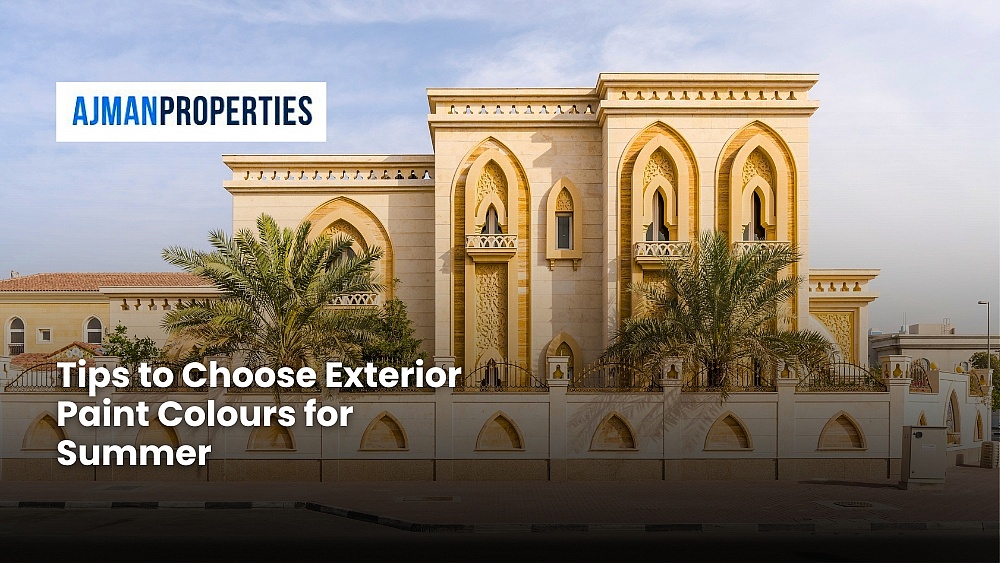
The colour of exterior paint you choose in summer is not merely a matter of design, but it will have a direct impact on comfort, longevity, and maintenance of your property in the long term. Humidity, strong sun rays, and dust may easily ruin paint in case of the incorrect choice of colour or finishes. Outer exterior colours that are friendly to the summer season prevent overheating of the building, preserve the integrity of the surface, and leave the buildings with a fresh look over the years. This manual covers the best approaches to use in choosing Exterior Paint Colours for Summer, which are effective in high-summer weather and also boost the appeal of the house at the curb.
Knowing the Effect of Summer Heat on Exterior Paint
Prior to the selection of colours, one should know the effects of the summer conditions on exterior surfaces. Exposure to heat will cause the expansion and shrinkage of walls that can develop cracks, peeling off, or fading off. Dark colors absorb more heat, raising the temperature of the surface and speeding up the breakdown of the paint. The UV radiation also degrades the paint binders, which leads to chalking and loss of colour.
The choice of colours and type of paint can do away with these effects and increase the duration of the repainting.
The Importance of the Colour Choice during Summer
The choice of colours will have a direct impact on the amount of heat that is absorbed or reflected in your building. Reflective colours are cooler, and the dark colours trap heat. Misguided colour decisions may raise the temperature levels of the interiors, have an impact on the energy consumption, and ultimately lead to premature deterioration of the paint.
The Tips For Choosing Exterior Paint Colours make sure the exterior paint system can be used both aesthetically and functionally to save on the costs of repairs in the long run.
Best Colour Families Summer Exteriors

Light Neutrals
Light neutral color shades do best in summer since they reflect the sun and do not fade easily.
-
Off-white
-
Cream
-
Light beige
-
Soft grey
Such tones decrease heat intake and retain brightness even when in contact with the sun over an extended period of time.
Pastel and Soft Earth Tones
Pastels give a good background with no additional heat absorption.
-
Pale blue
-
Mint green
-
Soft peach
-
Light sand
These dissolve easily in a natural environment and maintain their colour longer than darker pigments.
Whites and Reflective Shades
Whites with high reflectance make the exterior walls much cooler. Most contemporary paints contain heat reflective pigments that do not ruin the look but enhance thermal performance.
There are some of the most viable Exterior Paint Colours that are used in Summer, particularly with buildings that are directly in the sunlight.
Exterior Paint Finishes Suitable for Summer
When choosing the right colour, the choice of finish should also be made.
-
Matte finish: Conceal flaws on the surface and leave dust.
-
Eggshell finishes are more durable, and they are easy to wash.
-
Satin finishes: Bounce back light, and are moisture resistant.
-
Elastomeric finishes: Suitable for locations where there is expansion due to heat.
Satin and eggshell finishing can be recommended in summer because it offers a balance between appearance, durability, and heat reflection.
Selection of Colours depending on the Orientation of Buildings
Directions of sunlight fluctuate, and the colour selection is to be made in line with it.
-
South walls: Paint with low colors in order to minimize heat gain.
-
West walls: Select fades with colours that are UV-resistant.
-
North walls: Can deal with some slightly warmer tones.
-
Walls facing the East: Soft neutrals are good because they are moderate.
Such a strategic solution guarantees uniformity in colour performance on all surfaces.
Take into account the Climate and Environmental Conditions
Dust, humidity, and air pollutants are some of the elements present in summer. The choice of colour must take into consideration the visibility of dirt and stains.
-
Light colours display dust as compared to deep whites.
-
Smudges are better covered by beige and grey.
-
Do not use very dark colors in dusty places.
Useful Advice When Selecting Exterior Paint Colours: never overlook the local climate conditions, but also the beauty.
Paint Technology in Summer Performance
Current exterior paints are made to be high-temperature resistant. They provide great results when they are combined with the appropriate colours.
Look for paints with:
-
UV-resistant pigments
-
Heat-reflective additives
-
Moisture resistance
-
Anti-fungal properties
Even the finest colour will not work with poor-quality paint.
Finding Exterior Colours that match Architectural Style
The choice of colour must serve to augment the architectural features and not to overwhelm them.
-
Modern houses: light grey, whitish and dull pastel.
-
Conventional houses: light brown, cream, light brown.
-
Homes in the coastal style: Pale blues, whites, light sandy colors.
Visual impact can be enhanced by using harmony between colour and design without increasing the heat load.
Common Mistakes to Avoid When Painting for Summer
Facing the exterior, most failures of paint are as a result of bad planning.
-
Use of dark colours on walls exposed to the sun.
-
Disregard of the use of heat-reflective paint technology.
-
Painting in excessive daytime heat.
-
Not testing samples in sunlight.
These errors can be avoided to enhance the durability of the paint and satisfaction.
Proving Colours Before Final Application
Painters should always test paint colours before applying them on a large scale.
-
On more than one part of the wall, apply samples.
-
Note colour variations in the morning, afternoon, and evening.
-
Test of check heat retention touching surfaces post sun exposure.
The testing will also provide the colour that has been chosen to work well during the day.
Empirical Summer-Ready Exterior Colours Benefits

The proper selection of exterior colours in summer has long-term benefits of more than just the outward look.
-
Lower indoor cooling costs
-
Two-fold decrease in repaint frequency.
-
Enhanced surface security.
-
Enhanced property value
A calculated colour scheme secures your building as well as keeps your aesthetic value over the years.
You must also explore the Top Annual Home Maintenance Must-Dos for Ajman Residents
Conclusion
When choosing exterior paint colours in summer, there must be a compromise between aesthetics, performance, and durability. Finishes, several modern paints, and light-reflective colours are also essential to the long-term outcomes. Knowing how to deal with heat, which side of the wall to face, the type of finish to use, and so on, the owners of property will preserve their walls and keep them attractive even in the hottest summer. The careful planning and Exterior Paint Colours Tips For Summer will see your exterior paint stay lively, strong, and effective during the hottest months. For the latest property updates in Ajman, visit the website Ajman Properties.
FAQs - Frequently Asked Questions
Do exterior dark colours fit in the summer climates?
Dark colours absorb and will fade faster, and damage the surface. Light or reflective colors work better during summer.
What exterior paint finish is the most effective in hot weather?
Eggshell and satin finishing prove to be the best because they are balanced between strength, heat reflection, and cleaning.
In hot climates, how frequently should the exterior paint be replaced?
Exterior paint has a lifespan of 5-8 years with the right colour and paint choice; the exposure and care.





Comments (0)
Leave a comment